
Scotland wildlife guide
Puffins in Scotland: where, when and how to see them
Atlantic puffins spend most of the year far out at sea. For a few remarkable months they return to Scotland’s islands and sea cliffs to breed—and careful planning makes all the difference to your chances of seeing them.
Small bird, remarkable life
Meet Scotland’s Atlantic puffin
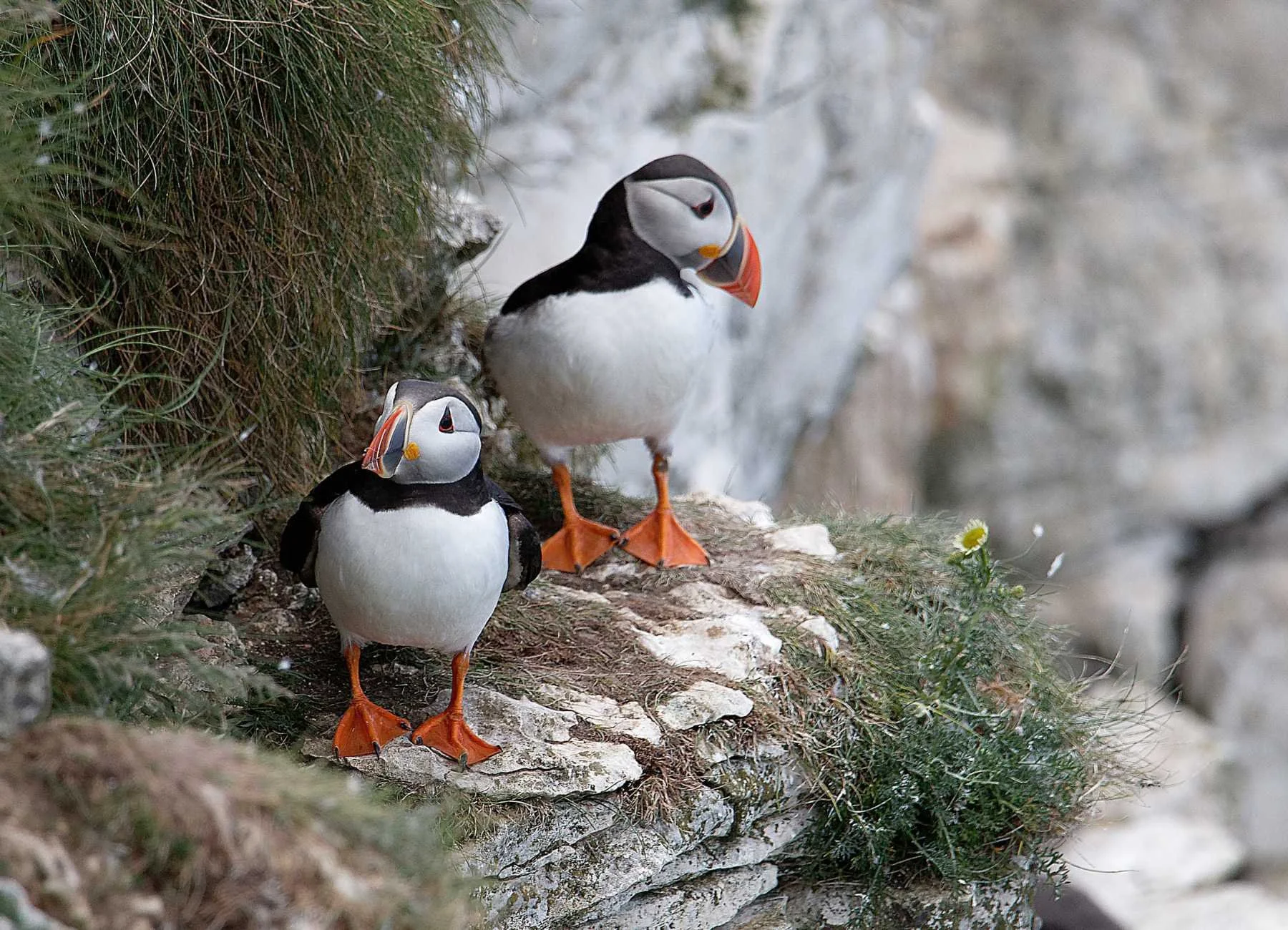
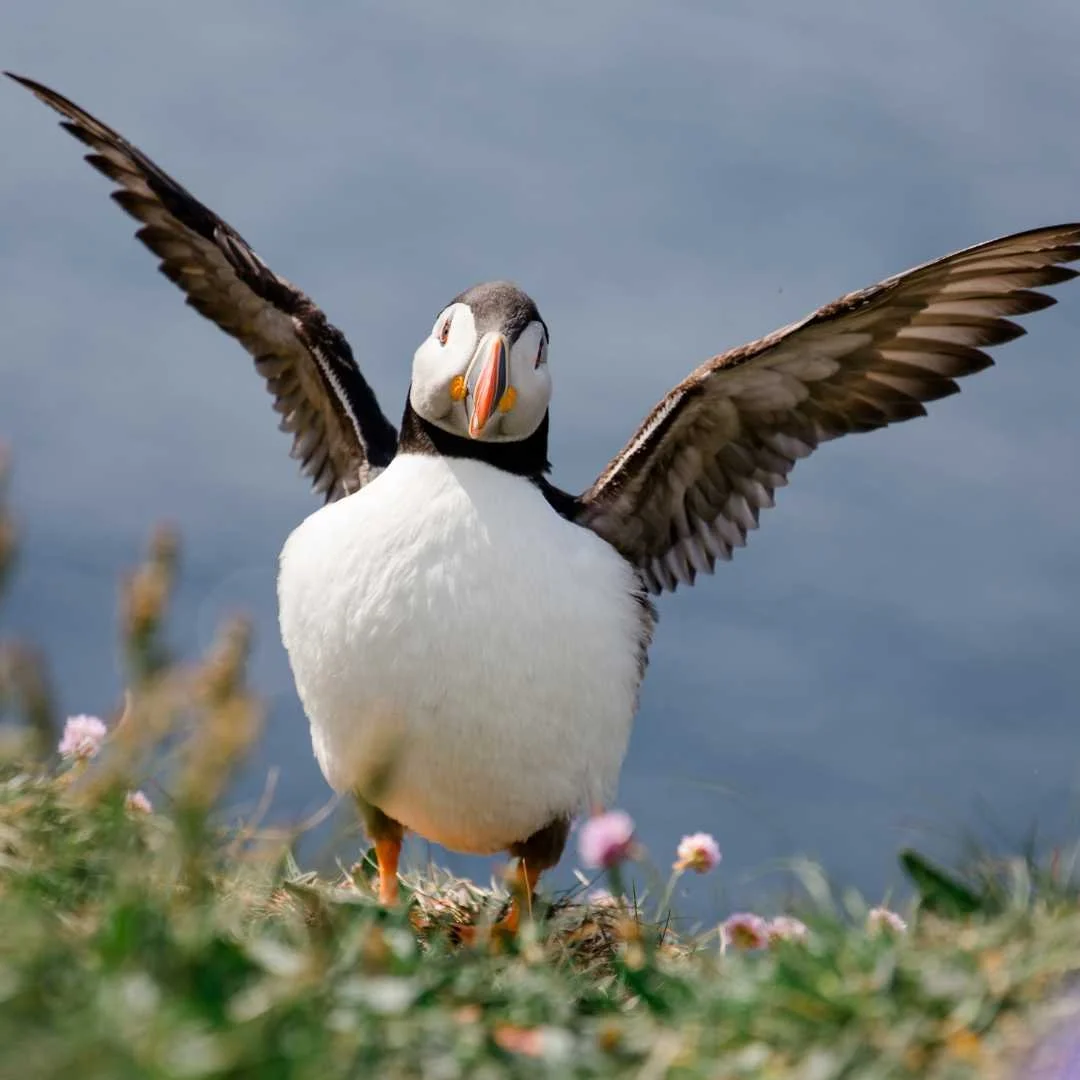
The colourful bird seen around Scottish coasts in spring and summer is the Atlantic puffin, Fratercula arctica.
Puffins are seabirds, not penguins. They can fly, swim with their wings and spend the non-breeding part of the year at sea. They return to land to nest, often using burrows in grassy slopes or sheltered spaces among rocks.
The bright orange and yellow bill is at its most striking during the breeding season. Away from the colony, the colourful outer bill plates are shed and the bird’s winter appearance is much duller—which is one reason most visitors know only the vivid summer version.
The useful facts
Six things worth knowing before you go
These details help explain both the appeal of a puffin colony and why visitors need to give the birds space.
They spend winter at sea
Puffins are seasonal visitors to visible colonies. Outside the breeding period they disperse across the North Atlantic, making coastal sightings far less predictable.
They usually raise one chick
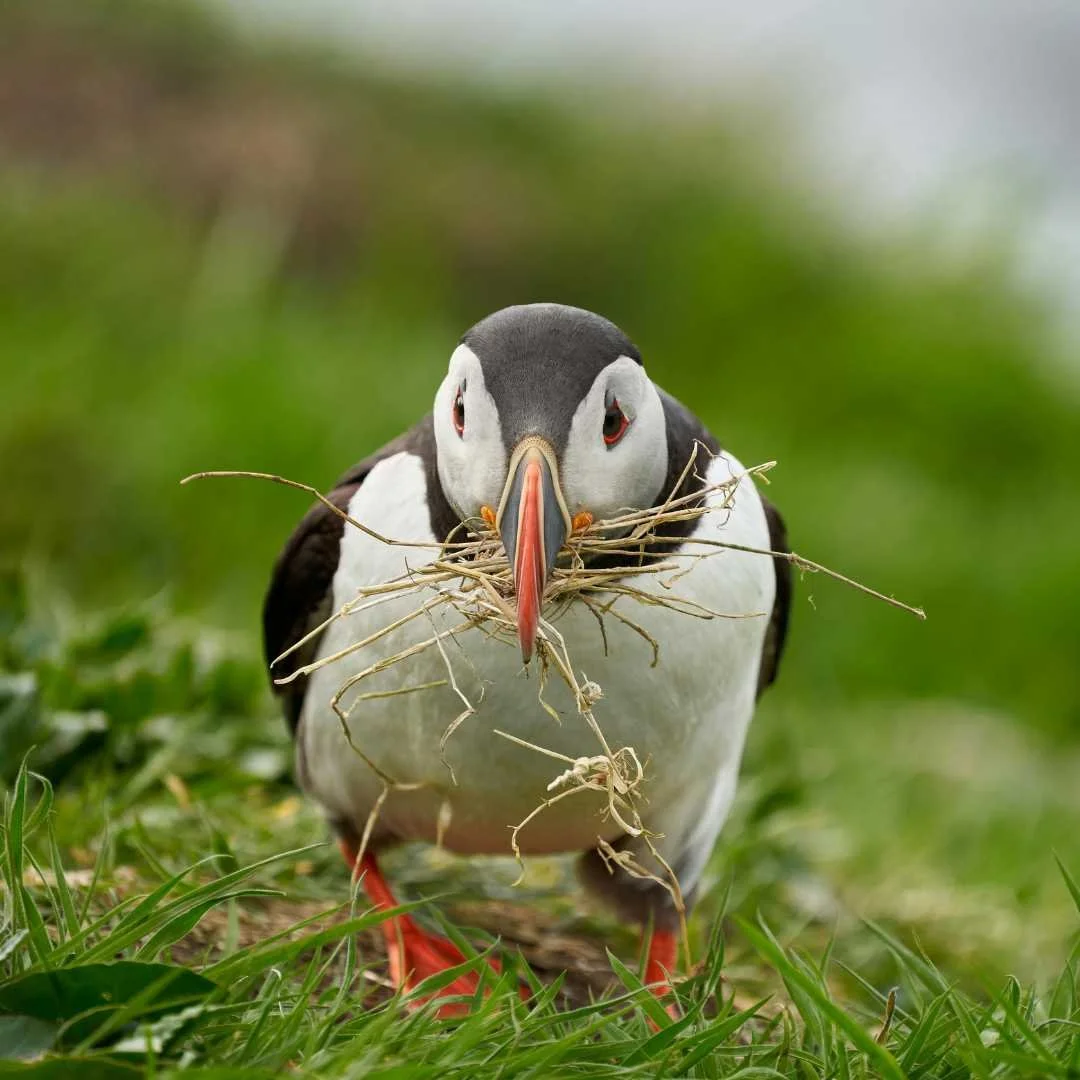
The chick is known as a puffling. Its parents make repeated fishing trips, often returning with small fish held crosswise in the bill.
They nest below your feet
Grassy cliff tops can conceal burrows. Leaving marked paths risks crushing burrows, disturbing adults and damaging fragile vegetation.
They are built for the water
Puffins use their wings to propel themselves underwater while hunting small fish. Their compact shape is better suited to diving than graceful take-offs.
A beak full of fish has meaning
An adult carrying several fish is likely feeding a chick. Never obstruct the bird’s route between the sea and its burrow for a photograph.
Colonies are under pressure
Food availability, warming seas, severe weather, pollution, disease and invasive predators can all affect seabirds. Respectful visits matter.
Timing is everything
When is the best time to see puffins in Scotland?
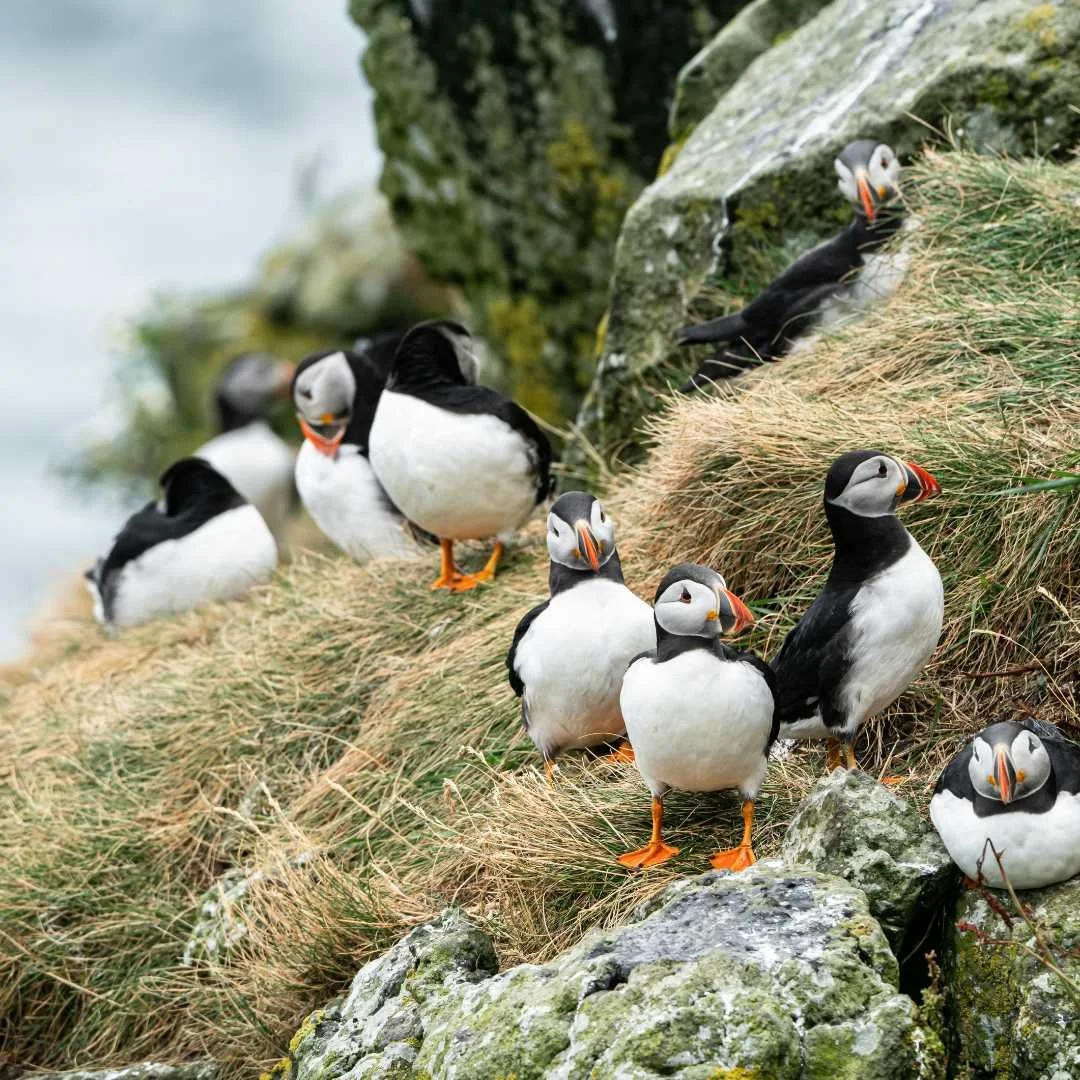
Late April through July is the most useful general planning window, with May, June and early July usually offering the strongest overlap between accessible boat trips and active colonies.
Some adults may arrive earlier or remain into August, but relying on the edges of the season increases the risk of missing them. Timing varies with location, weather, food supply and the progress of breeding in a particular year.
By late summer, adults and fledged young leave the nesting colonies for the open sea. A place famous for puffins in June can appear almost empty of them only weeks later.
- April: arrivals begin, but numbers and boat schedules can still be variable.
- May–June: generally the most dependable period for colony activity.
- Early July: often still productive, with adults feeding chicks.
- Late July onward: departure gathers pace and sightings become less dependable.
Four useful starting points
Where can you see puffins in Scotland?
Scotland has puffin colonies on both east and west coasts and across its northern islands. The best choice depends on your route, the time of year and whether you prefer a boat or land-based viewpoint.
Firth of Forth islands
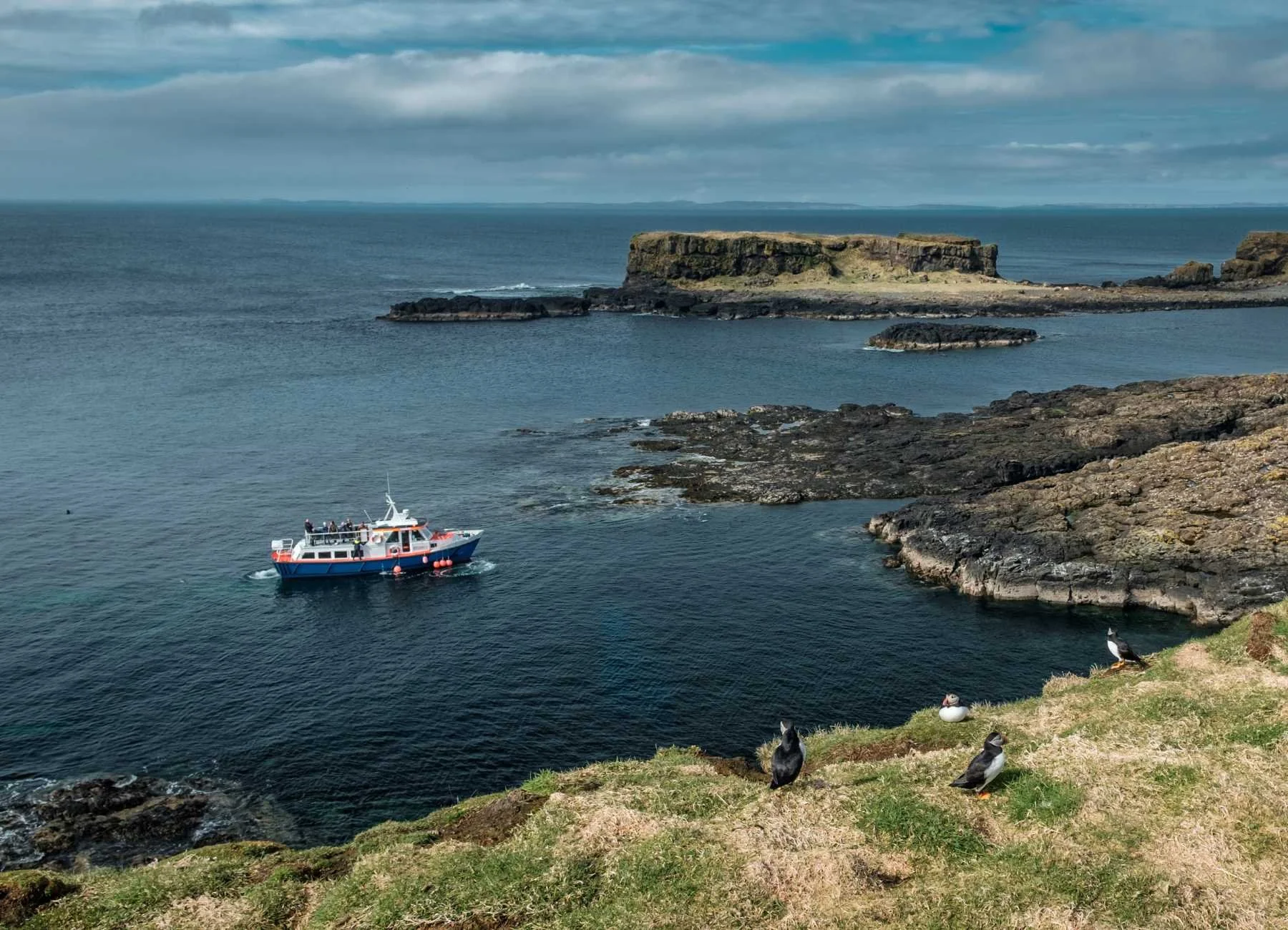
The Isle of May is a major seasonal seabird destination, while islands nearer North Berwick—including Craigleith and Fidra—can be viewed on wildlife cruises. Bass Rock is celebrated principally for its vast gannet colony, so do not assume every island serves the same birds.
Staffa and the Treshnish Isles
Boat trips from Mull and the surrounding coast visit dramatic basalt scenery and seabird islands. Some sailings land; others view wildlife from the water. Routes and landings depend heavily on sea conditions.
Handa Island
Handa is an internationally important seabird reserve with striking cliffs and large numbers of guillemots, razorbills and great skuas. Puffins occur here, but they form a smaller part of the spectacle than at Scotland’s strongest puffin colonies.
Shetland and Orkney
Sumburgh Head in Shetland is one of Britain’s most accessible seabird colonies. Orkney also has seasonal viewing at several coastal sites. Stay behind barriers, use established paths and check local reports before making a special journey.

The simplest option from Edinburgh
Puffin Boat Trip & Castle Day Tour
Leave the city for Tantallon Castle, North Berwick and an approximately two-hour wildlife cruise towards the Firth of Forth islands. The boat ticket and castle entry are included.
The day is timed around the tides, so departure and return times vary by date. Puffins are the headline, but seals, gannets and other seabirds can be just as memorable.
View dates and live availabilityWildlife note: individual puffin sightings can never be guaranteed. Weather and sea conditions can also change or cancel boat operations.
Make the day comfortable
How to plan a Scottish puffin trip
The best wildlife day begins with realistic expectations and the right clothing—not the biggest camera.
Book ahead
Seasonal sailings and island landings have limited capacity. Reserve early, then reconfirm timings close to travel.
Keep a flexible schedule
Wind, swell, visibility and tides affect small-boat operations. Avoid placing an inflexible connection immediately afterwards.
Dress for the water
Bring warm layers and a genuinely waterproof outer layer. A calm town can still lead to a cold, exposed crossing.
Think about sea sickness
Follow the operator’s guidance and seek professional advice about medication if needed. Conditions can feel rough even on a short cruise.
Bring binoculars
They often give a better experience than chasing a close photograph and help you enjoy birds without disturbing them.
Protect your equipment
Use a waterproof bag or cover, secure straps and expect salt spray. Leave drones at home around colonies and boat trips.
Watch without changing their behaviour
Give nesting puffins the space they need
The perfect wildlife encounter is one the bird can leave—or ignore. If a puffin changes direction, stops approaching its burrow or appears alert to you, increase your distance.
Stay on marked paths
Burrows can be hidden beneath grass. A step off route can collapse a nest chamber or damage the surrounding habitat.
Never block a burrow
Adults carrying fish need a clear route back to their chick. Move away rather than waiting directly beside the entrance.
Keep food to yourself
Do not feed puffins or other seabirds. Human food changes behaviour and can bring birds into conflict with people.
Follow local instructions
Reserve staff, skippers and guides understand current breeding activity, closures and conditions. Their direction comes first.
Travel with Scotland’s Wild
Two ways to build puffins into your Scotland trip
Choose a straightforward seasonal day from Edinburgh or ask us to assess a private journey around your dates, starting point and wider interests.
Puffin Boat Trip & Tantallon Castle
Our strongest recommendation for visitors based in Edinburgh: coast, castle, North Berwick and an included wildlife cruise in one tide-shaped day.
Check seasonal departures →
Build wildlife into a private journey
Tell us your dates, route and wildlife priorities. Our team can assess suitable coastal experiences and combine them with the landscapes, islands and history you want to see.
Explore personalised private tours →Before you plan
Puffins in Scotland FAQs
What is the best month to see puffins in Scotland?
May and June are strong general choices, with useful viewing often continuing into early July. Exact arrival, breeding and departure timing varies by colony and year, so check current local reports before travelling.
Can I see puffins in Scotland in August?
It is possible to see some early in August at certain locations, but many birds leave their colonies during late July and early August. If puffins are a priority, plan for earlier in the breeding season.
Can I see puffins without taking a boat?
Yes. Some reserves—including Sumburgh Head in Shetland—offer land-based viewpoints during the breeding season. Other famous colonies require a ferry, landing trip or wildlife cruise. Always check current access and seasonal operations.
Are puffin sightings guaranteed on the Scotland’s Wild tour?
No. Puffins and other wildlife are wild animals, so individual sightings cannot be guaranteed. The tour operates in the relevant season and visits suitable coastal habitat, while weather and sea conditions can alter boat operations.
What is included in the Puffin Day Tour from Edinburgh?
The published tour includes transport with a Scotland’s Wild guide, the wildlife boat-trip ticket and entry to Tantallon Castle. Lunch, snacks and personal waterproof clothing are not included.
Is the boat trip suitable for everyone?
The current tour guidance says the approximately two-hour cruise is not suitable for people who are pregnant or who have back problems or injuries. Travellers prone to sea sickness should also consider suitability carefully before booking.
Can children join the Puffin Day Tour?
The current minimum age is seven. A child still needs to be comfortable with the wider day and an exposed sea journey. Check the live tour page before booking in case requirements change.
Why do tour times vary?
The wildlife boat schedule follows the tides, so there is no single fixed departure time. Use the exact time shown for your selected date and avoid tightly timed onward travel after the tour.
Can Scotland’s Wild arrange a private puffin tour?
A personalised private-tour enquiry is the best route if you want wildlife to form part of a wider itinerary. Suitability depends on your dates, starting point, preferred route and the seasonal operations available; wildlife sightings still cannot be guaranteed.
Sources and checking notes
- Scottish Wildlife Trust — Atlantic puffin species profile
- Scottish Wildlife Trust — puffin conservation guidance
- NatureScot — Isle of May National Nature Reserve
- Scottish Seabird Centre — Firth of Forth wildlife and seasonal boat information
- Scottish Wildlife Trust — Handa Island Wildlife Reserve
- RSPB — Sumburgh Head Nature Reserve
- Current Scotland’s Wild Puffin Boat Trip and personalised private-tour pages — route, inclusions, pricing and booking information.
Puffin arrival, departure and breeding progress vary naturally. Boat timetables, landings, attraction access, prices and tour details can change. Check live information before travelling. Last editorial review: September 2026.