
Must-See Locations in Scotland: The Top 10 (Updated 2026)
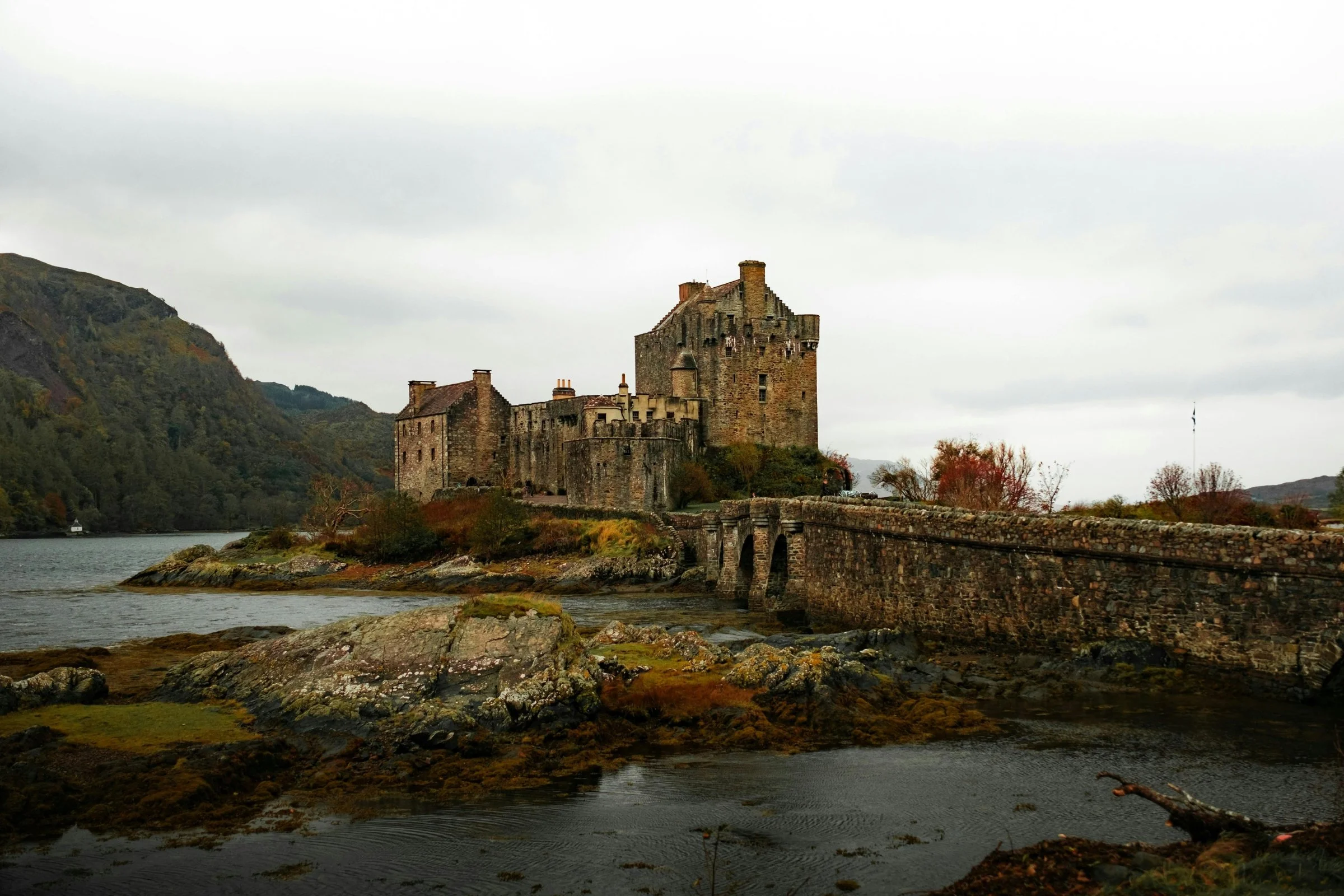
A first-timer’s guide to choosing well
10 Must-See Places in Scotland
From Edinburgh’s layered streets to prehistoric island landscapes, these ten places offer a brilliant introduction to Scotland — provided you give each one the time it deserves.
Watch before you plan
See the Top 10 first
Use the video for inspiration, then return to the guide for realistic timings, planning warnings and links to each destination.
Before the countdown
What “must-see” really means
This is not a claim that every visitor should squeeze all ten into one holiday. It is a shortlist of distinct Scottish experiences from which you can build a trip that suits your time, interests and pace.
Landscape and living history
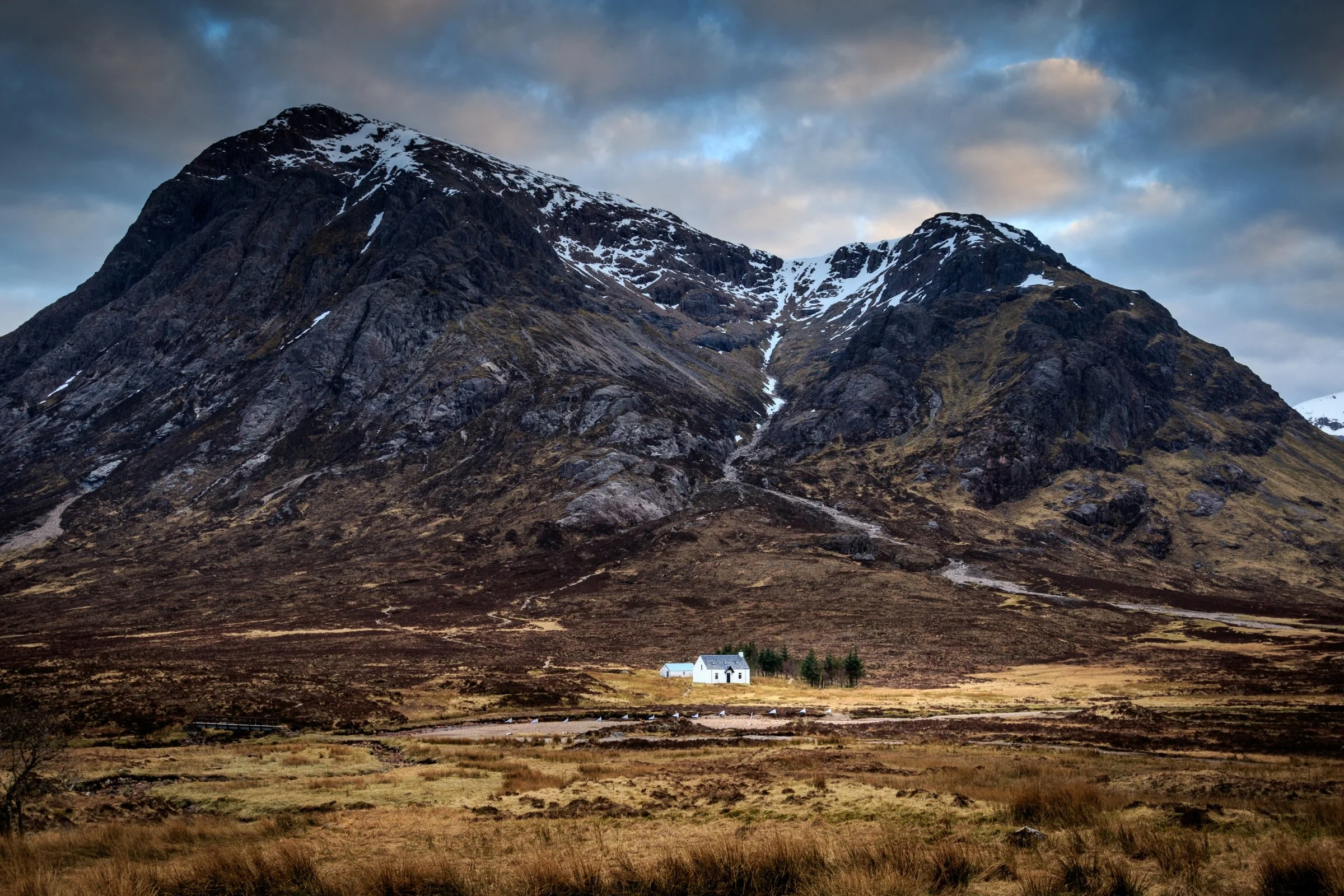
Glencoe
Glencoe is not simply a dramatic road between mountains. Glacial landforms, waterfalls, walking routes and a community shaped by a complex history make it a place to stop rather than merely photograph through a windscreen.
The massacre of 13 February 1692 was carried out by government soldiers who had been quartered with members of Clan MacDonald. The National Trust for Scotland visitor centre provides the necessary context without reducing the event to a simple clan feud.
- Best forHighland scenery, history and walking
- AllowA long stop or one full day
- PrioritiseVisitor centre, viewpoints, a suitable walk
- Plan aheadWeather and walking conditions
The scale behind the legend
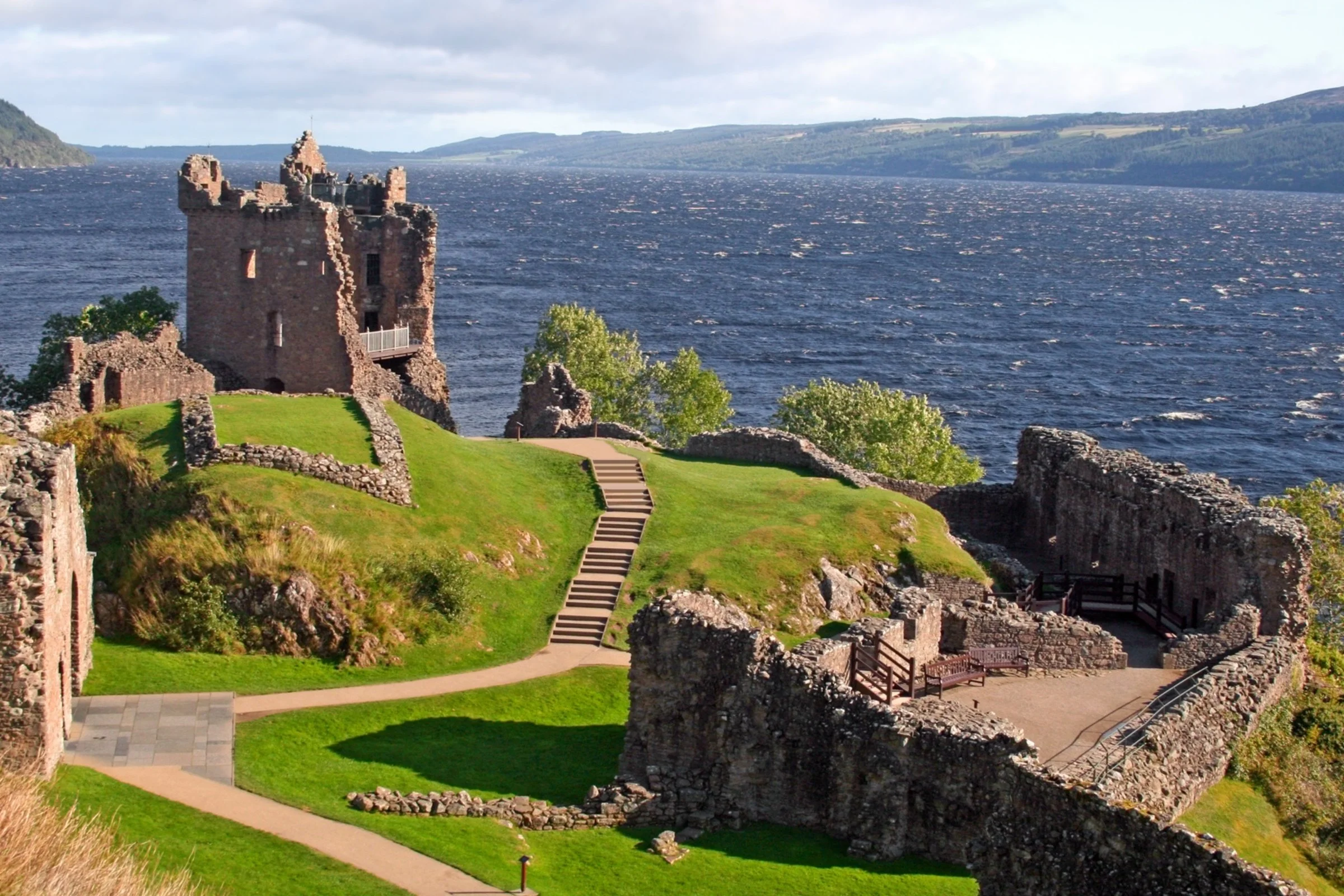
Loch Ness and Fort Augustus
Loch Ness stretches roughly 23 miles through the Great Glen. The monster story may have made it famous, but the loch’s scale, dark water, Highland setting and historic shores are the lasting reasons to visit.
Fort Augustus is useful for watching boats negotiate the Caledonian Canal locks and for cruises from the southern end. Urquhart Castle lies farther north, near Drumnadrochit. They are separate stops, so decide whether your priority is the canal, a cruise, the castle or a longer journey around the loch.
- Best forScenery, legend, cruises and castles
- AllowA full day from the central belt
- PrioritiseOne shore experience plus time on the water
- Plan aheadCruise and castle times

Lowlands meet Highlands
Loch Lomond & The Trossachs
Scotland’s first national park brings together lochs, forests, villages and mountains within comparatively easy reach of Glasgow. Loch Lomond is Britain’s largest lake or loch by surface area, but the wider park is not one single viewpoint.
Luss offers an accessible lochside stop; Balmaha and Conic Hill suit visitors seeking a more active day; the Trossachs and smaller lochs reward anyone with extra time. Choose one part of the park rather than spending the day driving around its edges.
- Best forLoch views, woodland and accessible walks
- AllowHalf a day to several days
- PrioritiseOne village and one outdoor experience
- Plan aheadParking and trail conditions
Scotland’s capital
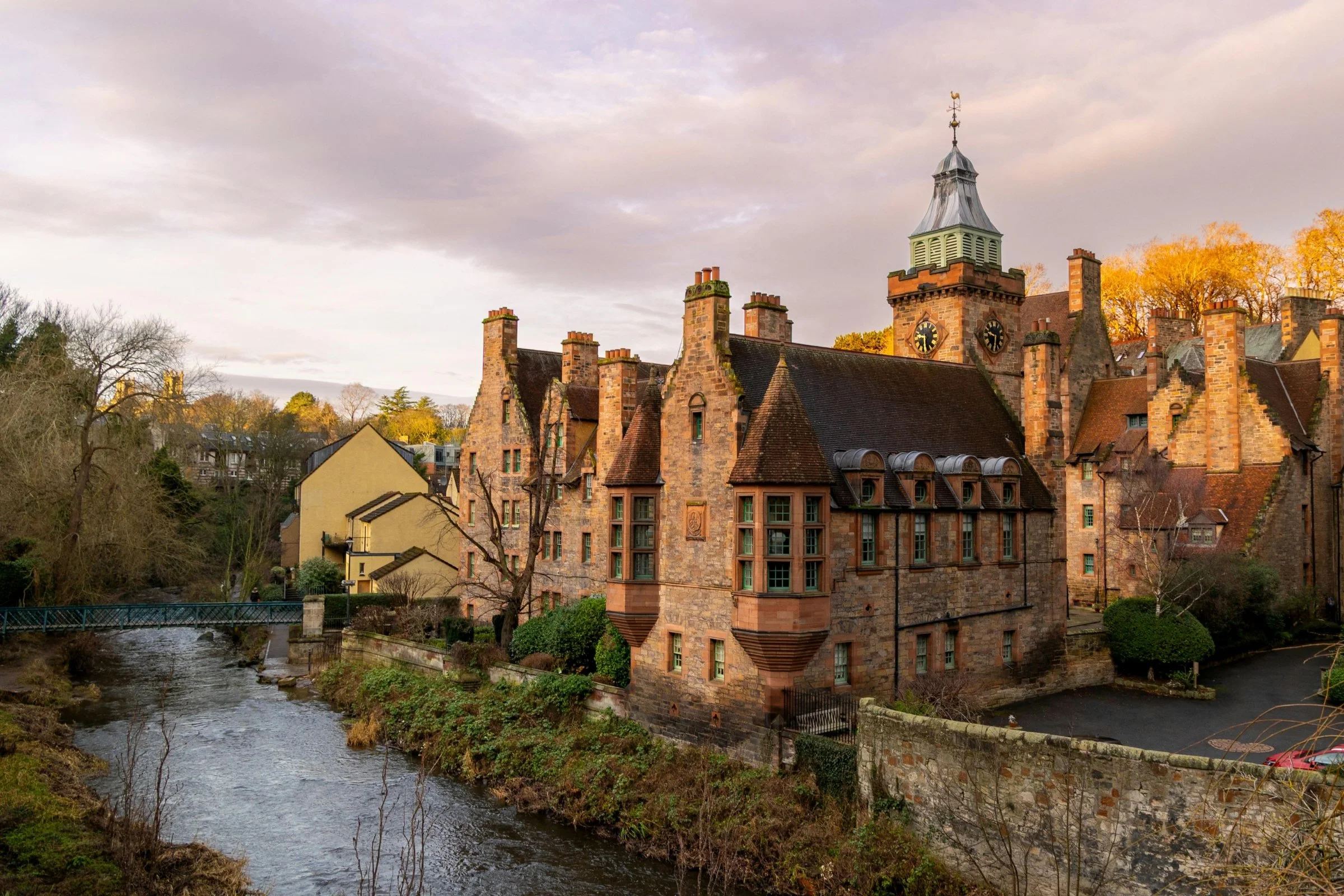
Edinburgh
Edinburgh rewards walking. The medieval Old Town and planned Georgian New Town form a UNESCO World Heritage Site, while the city’s volcanic landscape creates viewpoints at Calton Hill, Arthur’s Seat and the Castle.
Give the Royal Mile time, but do not stop there. Explore the closes, museums and green spaces; descend into Stockbridge or Dean Village; and leave room for whichever festival, exhibition or performance happens to coincide with your stay.
- Best forHistory, architecture, culture and food
- AllowAt least two full days
- PrioritiseOld Town, New Town and one viewpoint
- Plan aheadCastle tickets and festival dates
An island worth staying for
The Isle of Skye
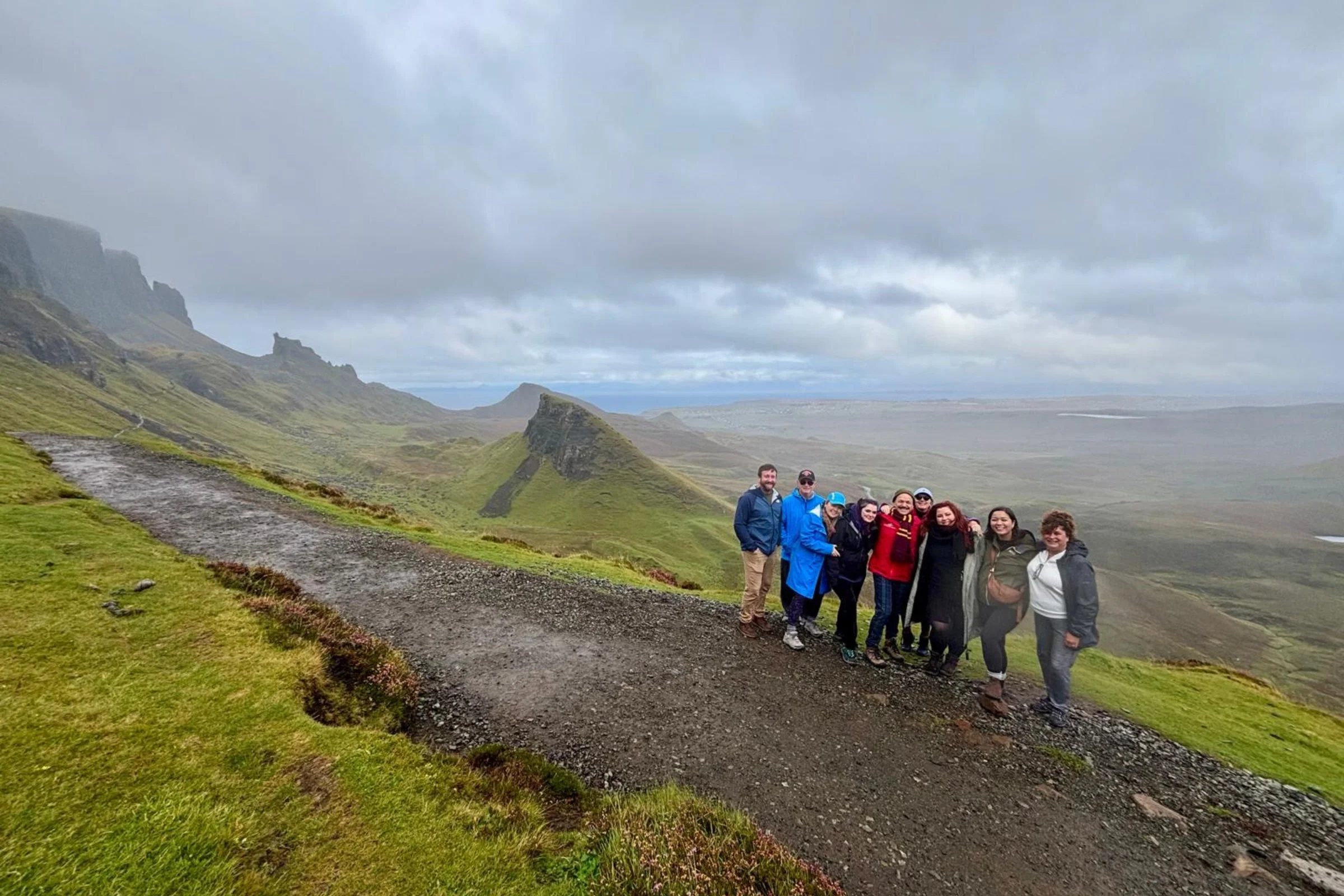
Skye’s appeal lies in the variety packed into one island: the Trotternish landslips, Cuillin mountains, sea cliffs, castles, villages and a living Gaelic cultural landscape. The Old Man of Storr, Quiraing and Fairy Pools are famous, but they are not interchangeable photo stops.
Base yourself on the island for at least two nights if possible. Roads are slower than they appear, parking at popular sites can be busy and weather can completely change the character of a day. A flexible sequence matters more than a rigid checklist.
- Best forLandscapes, walking, photography and island culture
- AllowAt least two nights
- PrioritiseOne peninsula or area per day
- Plan aheadAccommodation, conditions and parking

Coast, history and golf
St Andrews and the East Neuk of Fife
St Andrews is known worldwide as the Home of Golf, yet non-golfers have plenty to explore. The ruined cathedral was once the headquarters of the medieval Scottish Church, while the castle’s story includes bishops, sieges, a mine and countermine.
The compact centre, university buildings and beaches work well on foot. With a full day, add one or two East Neuk fishing villages rather than rushing between every harbour on the coast.
- Best forHistory, golf, coast and an easy city escape
- AllowOne full day
- PrioritiseCathedral, castle area, town and beach
- Plan aheadHistoric-site hours and golf access
A Highland outdoor base
Fort William and Ben Nevis
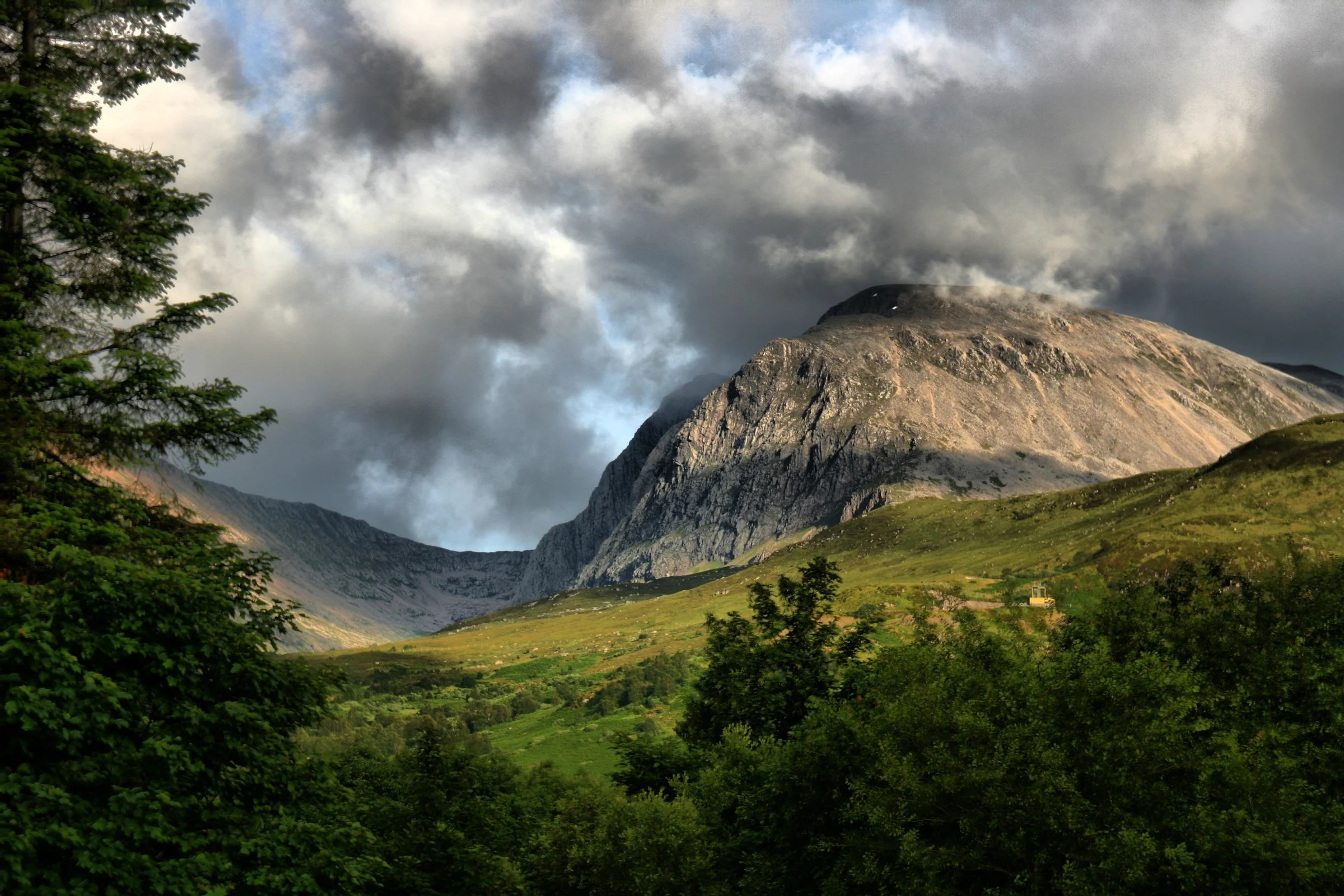
Fort William sits below Ben Nevis, the highest mountain in the UK, and makes a practical base for Lochaber. You do not need to climb the mountain to appreciate the area: Glen Nevis, waterfalls, viewpoints and routes towards Glenfinnan and the west coast provide options at many levels.
The popular mountain path remains a serious, sustained hill day rather than a casual sightseeing walk. Anyone considering it should use current mountain forecasts, carry suitable equipment and be prepared to turn back. Film fans should distinguish the Glenfinnan Viaduct from the seasonal Jacobite steam service that crosses it.
- Best forMountain scenery and outdoor activities
- AllowOne to three days
- PrioritiseGlen Nevis or a route suited to your ability
- Plan aheadWeather, transport and steam-train availability
Mountains, forests and wildlife
The Cairngorms National Park
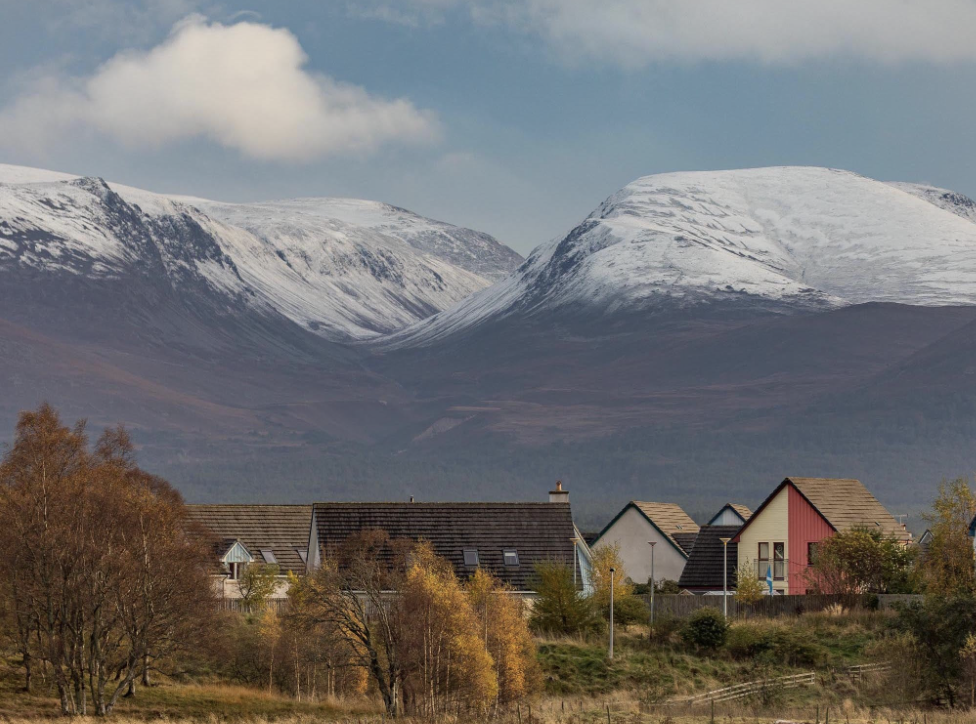
The UK’s largest national park contains high plateaux, native pinewoods, rivers, lochs, communities and important wildlife habitat. Aviemore is a convenient base for Rothiemurchus and the northern Cairngorms; Braemar and Royal Deeside reveal a different side of the park.
Red squirrels, golden eagles and many specialist mountain species occur here, but sightings are never guaranteed. The well-known Cairngorm reindeer are part of a managed, free-ranging herd introduced in the twentieth century, not a surviving wild native population.
- Best forWoodland, wildlife and mountain landscapes
- AllowTwo days or more
- PrioritiseOne side of this very large park
- Plan aheadSeason, conditions and activity bookings
Outer Hebridean culture and coast
Lewis and Harris
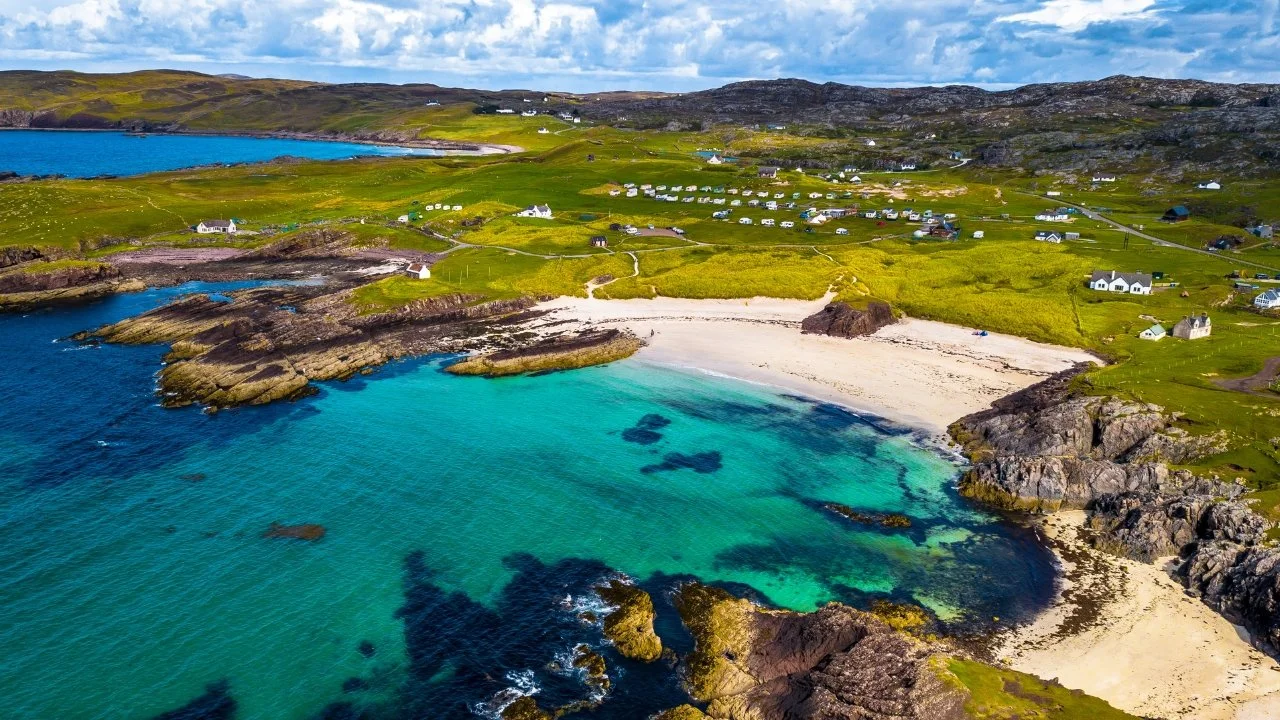
Lewis and Harris are two regions of the same Outer Hebridean island. Harris is celebrated for mountains and beaches such as Luskentyre; Lewis holds broad moorland, Gaelic-speaking communities and the prehistoric Calanais standing stones.
Distances, single-track roads, Sunday rhythms and ferry connections all shape a visit. Book transport and accommodation early, then resist trying to circle the entire island in one hurried day. The cultural landscape is as important as the headline sights.
- Best forBeaches, archaeology, Gaelic culture and space
- AllowAt least three nights
- PrioritiseOne north/south focus each day
- Plan aheadFerries, Sundays and accommodation

Five thousand years within reach
The Orkney Islands
Orkney combines open coastal landscapes with one of Europe’s most remarkable archaeological concentrations. Skara Brae, Maeshowe, the Stones of Stenness and the Ring of Brodgar form the UNESCO-listed Heart of Neolithic Orkney.
The story continues through Norse Orkney, wartime Scapa Flow and present-day island communities. Some fragile sites use timed or guided admission, and weather can affect crossings, so secure the essential pieces before filling every hour.
- Best forArchaeology, island history and coastal scenery
- AllowAt least two full island days
- PrioritiseNeolithic core plus one later story
- Plan aheadFerries, flights and timed sites
Make the list work for you
Build a better first Scotland itinerary
Start with the experience you most want, then connect places that naturally sit on the same route.
City, Highlands or islands?
Let one priority lead. Edinburgh works well with Fife; Glencoe with Fort William and Loch Ness; island trips need dedicated nights.
Routes are part of the trip
Add check-in, parking, ferry and comfort-stop time. Rural roads and weather make map estimates an incomplete plan.
Keep flexibility around them
Secure accommodation, ferries and timed attractions first, then leave some room for weather and discoveries.
Ten ideas, one important choice
See less of the map. Experience more of Scotland.
The best first trip is not the one with the most pins. It is the one that gives you time to walk, listen, look properly and understand why each place matters.
Turn the shortlist into a journey
Explore from Edinburgh with Scotland’s Wild
These four small-group routes connect directly with the places above. Choose by the time you have and the landscape or story you most want to experience.
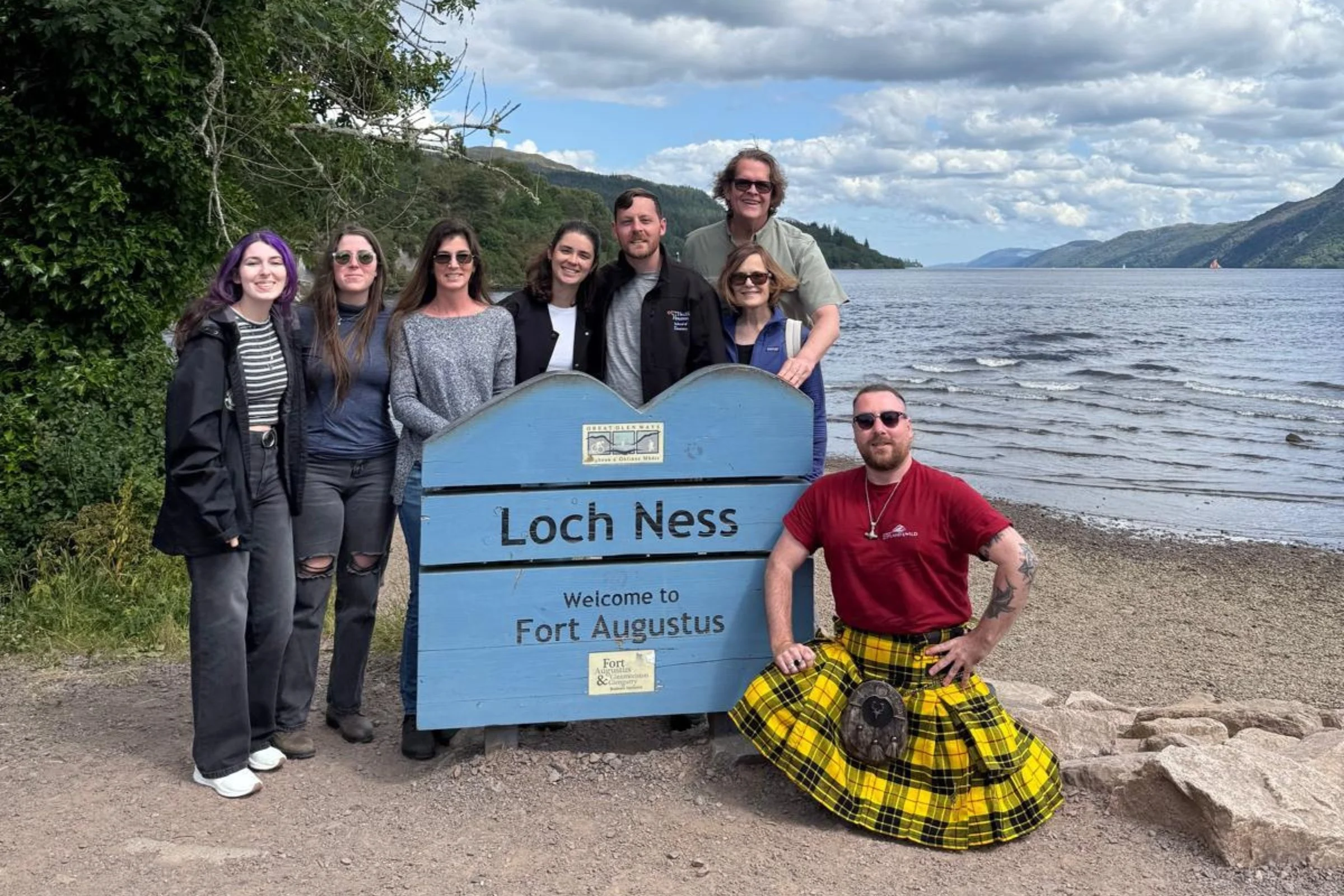
Loch Ness & the Highlands
A focused first taste of Glencoe, the Highlands and Loch Ness without taking on the long drive yourself.
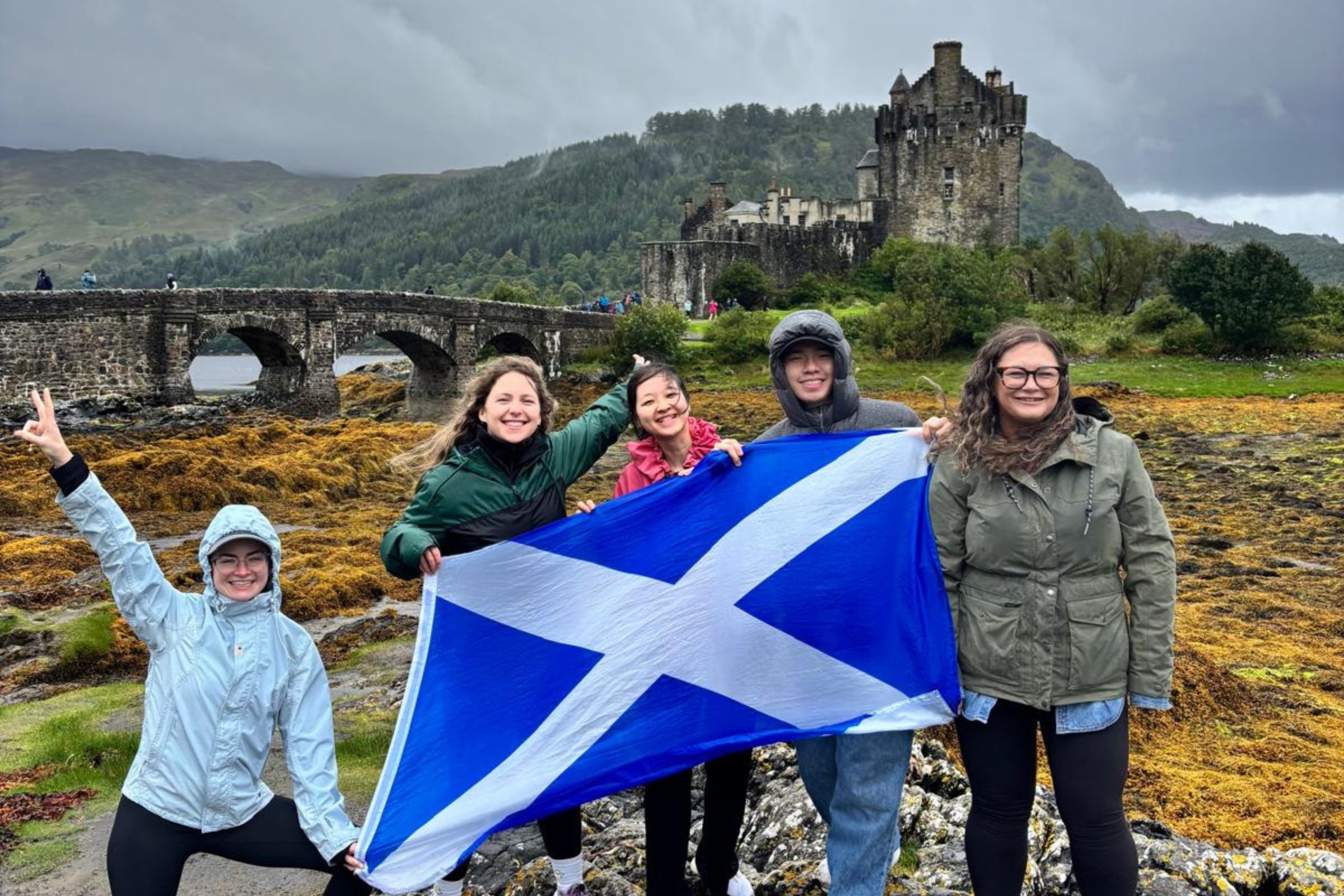
Isle of Skye & the Highlands
Travel through Glencoe and the Highlands, then give Skye two nights instead of treating it as a rushed stop.
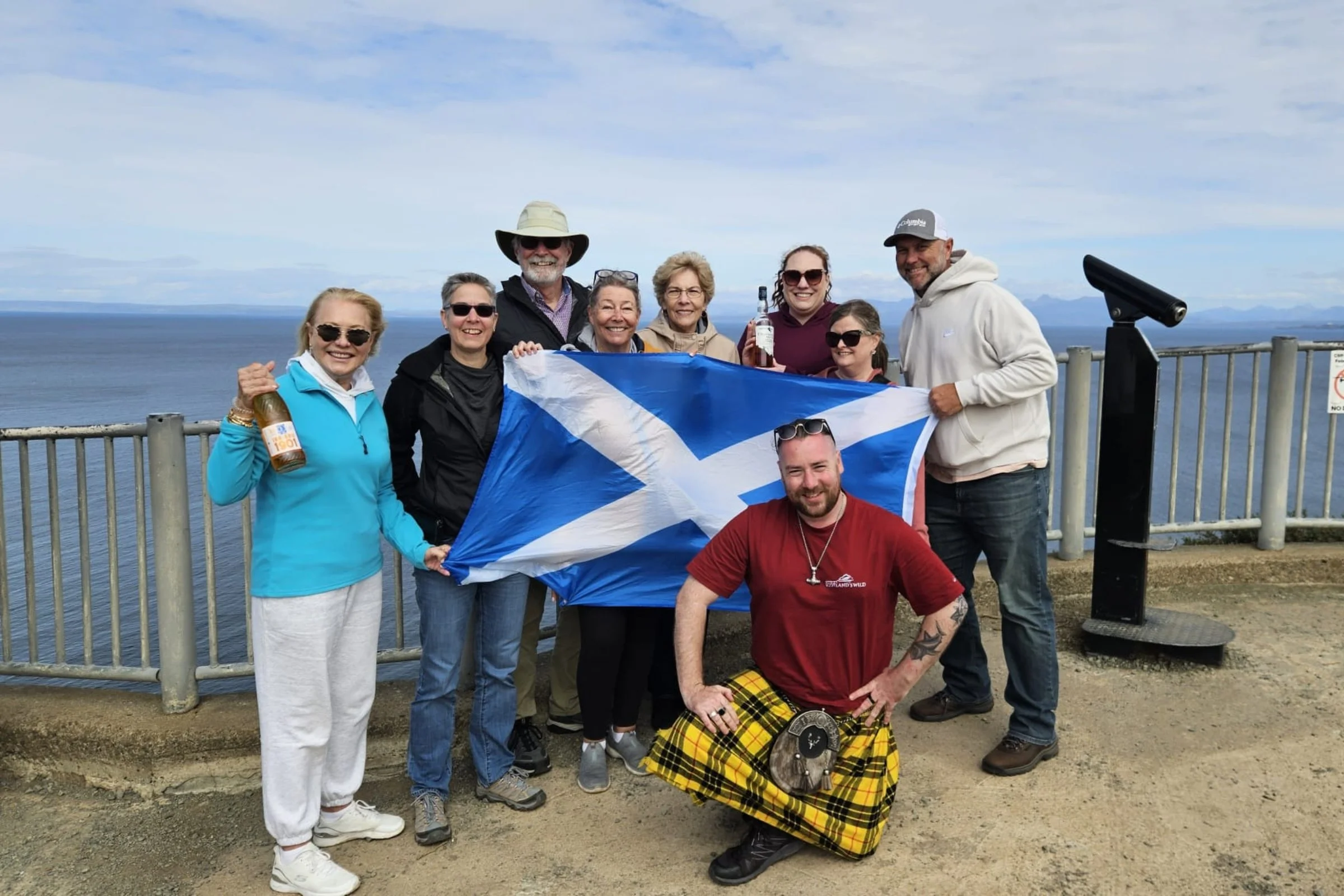
Lewis & Harris and the North Coast
Connect the northern Highlands with Calanais, island culture and the Atlantic landscapes of the Outer Hebrides.
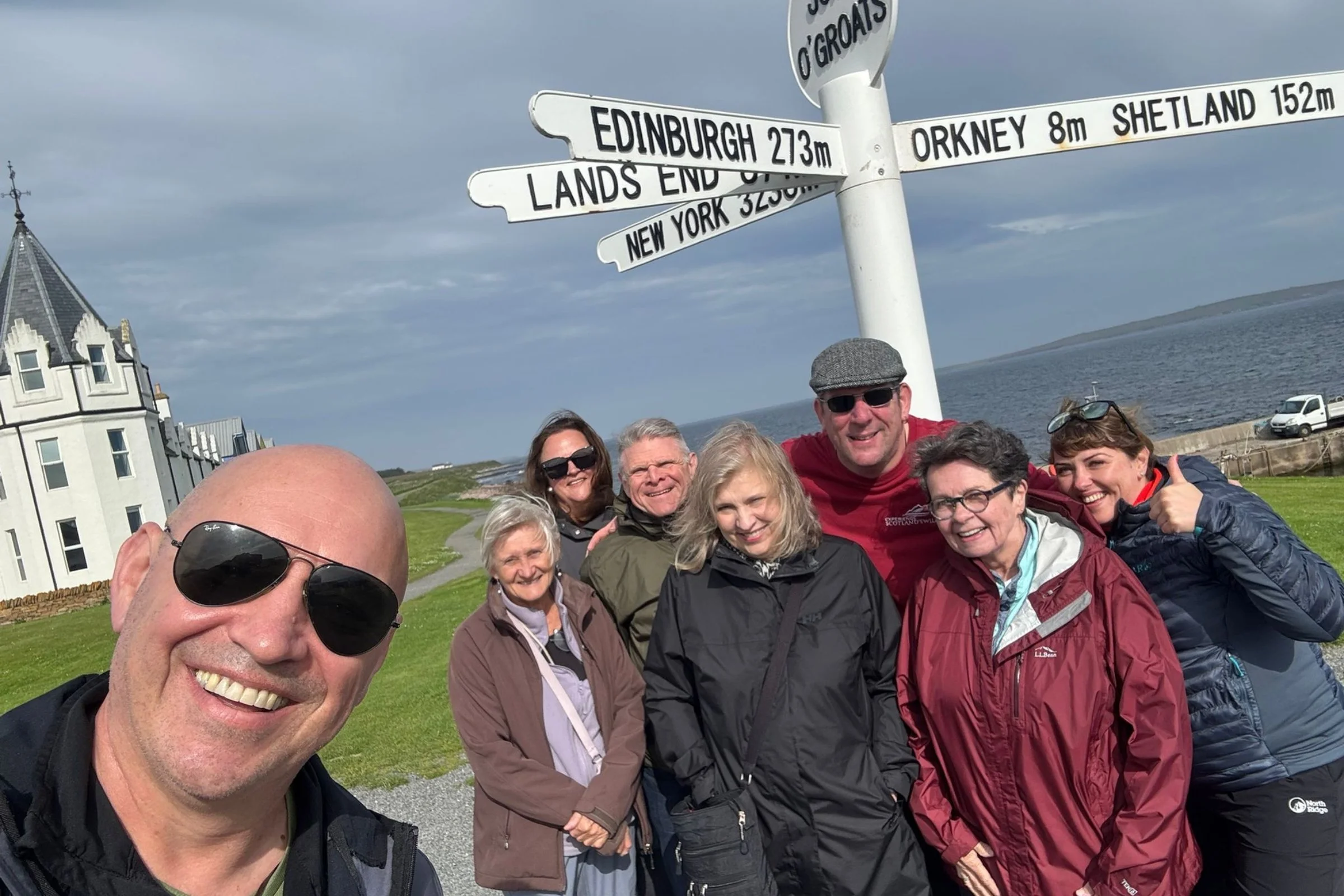
Orkney and the North Coast
Travel north through Highland scenery before exploring Orkney’s prehistoric sites and island stories.
Practical questions
Planning your first visit
Can I visit all ten places in one trip?
Yes with enough time, but it would not be a sensible short itinerary. Edinburgh, Fife and Loch Lomond fit one part of the country; Skye, the Outer Hebrides and Orkney each need dedicated travel and overnight stays. For a first week, choose Edinburgh plus one coherent Highland or island route.
Which places work as day trips from Edinburgh?
St Andrews and Fife are natural day trips. Loch Lomond, Glencoe and Loch Ness can also be reached on organised full-day tours, but Loch Ness is a long day. Skye, Lewis and Harris, and Orkney should not be treated as Edinburgh day trips.
Do I need a car?
Not for Edinburgh, and not if you combine trains, coaches, ferries and guided tours. A car offers flexibility in rural areas, but it also adds unfamiliar roads, parking and ferry reservations. Choose the transport that makes the trip enjoyable rather than automatically hiring a vehicle.
When should I book island travel?
Book key island accommodation and ferry or flight reservations as early as practical, especially for summer and weekends. Always check the operator’s current timetable and disruption information rather than relying on an old itinerary or blog post.
Sources used to check this guide
- National Trust for Scotland — Glencoe
- Visit Inverness Loch Ness — Loch facts and history
- Loch Lomond & The Trossachs National Park Authority
- UNESCO — Old and New Towns of Edinburgh
- Historic Environment Scotland — St Andrews Cathedral
- Visit Cairngorms — National Park visitor information
- Visit Outer Hebrides — Lewis and Harris planning
- UNESCO — Heart of Neolithic Orkney